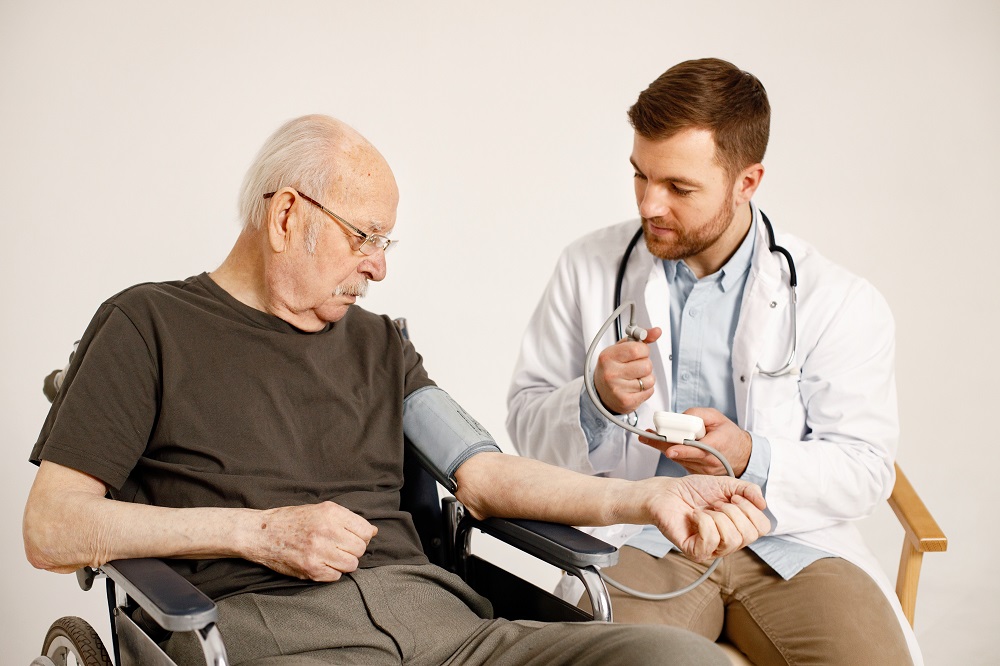
If your blood pressure reading is 180/120 or higher and you have chest pain, shortness of breath, severe headache, vision changes, numbness or weakness, or difficulty speaking, call 911 now. This combination is a hypertensive emergency.
A reading of 180/120 or higher WITHOUT these symptoms still needs prompt medical attention. Contact your doctor the same day.
Most high blood pressure is safely and effectively managed by a primary care doctor, not a specialist. Know the numbers, know when a cardiologist actually matters, and get a plan in place.
If you’ve been told your high blood pressure, or you’re managing an existing diagnosis, the question on your mind is probably simple: is my primary care doctor enough, or do I need a cardiologist? For most people, the answer is that a primary care doctor is not just enough; they are the right starting point and often the right doctor for the long haul.
Here is what the numbers mean, when primary care is the right setting, when a cardiologist becomes part of the picture, and what that looks like here in San Antonio.
What Your Blood Pressure Numbers Actually Mean
Blood pressure is measured in two numbers: systolic (the pressure when your heart beats) over diastolic (the pressure when your heart rests between beats). The American Heart Association defines the following categories:
| Category | Systolic | Diastolic | |
| Normal | Below 120 | and | Below 80 |
| Elevated | 120-129 | and | Below 80 |
| Stage 1 Hypertension | 130-139 | or | 80-89 |
| Stage 2 Hypertension | 140 or higher | or | 90 or higher |
| Hypertensive Crisis | Higher than 180 | and/or | Higher than 120 |
One high reading is not the same as a diagnosis. Blood pressure naturally fluctuates throughout the day, and a single elevated number at one visit does not mean you have hypertension. A diagnosis is based on multiple readings over time, which is one reason an ongoing relationship with a primary care doctor matters more than a single office visit.
Learn more about how primary care helps prevent chronic disease like heart disease through consistent monitoring.
If you were recently diagnosed with Stage 2 hypertension, you may be searching for what that means for your life expectancy. Here is the honest answer: uncontrolled hypertension over time is associated with increased risk of heart attack, stroke, kidney disease, and heart failure. But hypertension that is identified and treated is highly manageable, and people with well-controlled blood pressure live full lives. A Stage 2 diagnosis is a call to action, not a fixed outcome. The goal of treatment, whether through medication, lifestyle change, or both, is to bring your numbers into a controlled range and keep them there, which substantially reduces that risk.
Stage 2 hypertension treatment typically involves medication started promptly alongside lifestyle changes, and blood pressure often improves meaningfully within weeks of starting an appropriate plan. To directly answer a related question many people ask: hypertension, including Stage 2, is often controllable to the point that numbers return to a normal or near-normal range, though “reversed” is a bit of an overstatement, since ongoing management is usually still needed to keep it there.
If you haven’t had a recent check, scheduling an annual wellness visit at Hillside is the simplest way to know where your numbers stand.
Hypertensive Emergency vs. Severe Hypertension
This distinction matters enough to explain in full, not just as a banner at the top of the page.
Hypertensive emergency: A blood pressure reading of 180/120 or higher, combined with symptoms that suggest your organs are being affected at the moment. These symptoms include:
- Chest pain
- Shortness of breath
- Severe headache
- Vision changes
- Numbness or weakness, especially on one side of the body
- Confusion
- Difficulty speaking
If you have a reading this high with any of these symptoms, call 911 or get to an emergency room immediately. This is not a situation to wait out or to schedule a same-day appointment for.
Severe hypertension: The same reading, 180/120 or higher, without those symptoms. This still requires prompt medical attention, generally same-day contact with your doctor, but it is not typically a 911 emergency in the absence of symptoms.
One important note: having a prior hypertension diagnosis does not mean you are exempt from a genuine cardiac emergency. If new, severe symptoms appear, treat them as an emergency regardless of your blood pressure history.
According to the AHA’s (American Heart Association) guidance on hypertensive crisis, this distinction, symptoms present or absent, is what should guide whether you call 911 or call your doctor’s office.
Why Primary Care Is the Right Starting Point for Most Hypertension
Hypertension is one of the most common conditions managed in primary care nationally, and for good reason: it is exactly the kind of ongoing, whole-person condition that primary care is built for.
Here is what a primary care doctor for high blood pressure actually does:
- Diagnoses hypertension based on multiple readings over time, not a single office visit
- Starts first-line medication when appropriate, typically from well-established categories including thiazide diuretics, ACE inhibitors, ARBs, and calcium channel blockers
- Adjusts your dose or medication based on how your numbers respond, which often takes a few follow-up visits to get right
- Provides lifestyle counseling grounded in evidence, including the DASH eating pattern, sodium reduction, physical activity, alcohol moderation, and weight management
- Tracks your numbers over years, not just at a single visit, which is often the biggest advantage primary care offers over a one-time consultation
This is consistent with guidance from the American Academy of Family Physicians (AAFP) and the Centers for Disease Control and Prevention (CDC), both of which identify primary care as the standard setting for hypertension diagnosis and ongoing management.
To see the fuller picture of what a primary care doctor handles beyond blood pressure, our guide on what a primary care doctor treats and our overview of primary care services in Texas go into more detail.
If you’re looking for a doctor for high blood pressure near you, scheduling a blood pressure check at Hillside is a good place to start.
When a Cardiologist Becomes Part of Your Care
Most hypertension never requires a cardiologist. But there are specific, well-defined situations where a primary care doctor will bring a cardiologist into your care:
- Resistant hypertension — Blood pressure remains uncontrolled despite three or more medications at appropriate doses, including a diuretic
- Suspected secondary hypertension — Signs that something else may be driving the high blood pressure, such as a kidney artery issue or a hormonal condition, which needs specialized workup
- Evidence of hypertension-related organ damage — Findings like left ventricular hypertrophy (thickening of the heart muscle), symptoms of heart failure, or a significant arrhythmia
- Very young age of onset or an unusually severe presentation — Which can raise suspicion for an underlying cause that needs specialist-level investigation
- Complex cases involving other cardiac conditions that need coordinated, specialized management
This mirrors the referral framework described by the American College of Cardiology and the current ACC/AHA hypertension guidelines: primary care manages the vast majority of cases, and cardiology is involved when the case becomes more complex or resistant to standard treatment.
As for whether you need a formal referral, for most PPO (Preferred Provider Organization) insurance plans, you do not need one to see a cardiologist. For HMO (Health Maintenance Organization) plans, a referral from your primary care doctor is often required.
Either way, having your primary care doctor coordinate the referral typically means your records transfer smoothly and scheduling moves faster, since the cardiologist’s office already has your history in hand.
If your primary care doctor identifies something that warrants a closer look at your heart, cardiac evaluation and echocardiogram services at Hillside are often the next step before any specialist referral is needed.
What an Echocardiogram Adds to Your Blood Pressure Care
If your doctor recommends an echocardiogram as part of your hypertension evaluation, it does not necessarily mean something is already wrong. An echo is often a proactive, preventive step.
An echocardiogram is a painless ultrasound of the heart that shows:
- The size and thickness of your heart’s chambers and walls
- How well your heart valves are functioning
- Your ejection fraction, a measure of how effectively your heart pumps
For someone with high blood pressure, an echo can detect left ventricular hypertrophy, a thickening of the heart muscle that develops when the heart works harder against elevated pressure over time, often before you’d notice any symptoms. Catching this early gives your doctor useful information to guide treatment.
An echocardiogram is not routinely needed for everyone with high blood pressure. Your clinician may recommend one if your symptoms, physical examination, ECG, or medical history raises concern for heart muscle thickening, heart failure, valve disease, or another structural heart condition.
Cardiac evaluation with echo at Hillside is available at our San Antonio-area locations. You can also read more in our earlier guide on the importance of cardiac evaluation and management.
Your Blood Pressure Medication Questions, Answered Honestly
Is there a certain age when people typically start blood pressure medication?
Not really, and thinking of it that way can be misleading. The decision to start medication is based on your blood pressure category, your overall cardiovascular risk score, and whether you have other conditions like diabetes or kidney disease, not your age by itself. Age is one contributing risk factor among several, not a threshold that triggers treatment on its own.
Once I start taking blood pressure medication, can I ever stop?
Sometimes, but only under direct medical supervision, and it is not the norm. For many people, hypertension is a long-term condition requiring ongoing management, similar to how other chronic conditions are managed over time. Some patients who make significant, sustained lifestyle changes, alongside milder hypertension to begin with, may be able to reduce or eventually stop medication with their doctor’s guidance and close monitoring.
What matters most here: never stop blood pressure medication on your own. Abruptly stopping certain medications, particularly beta-blockers and clonidine, can cause a dangerous rebound in blood pressure, and for beta-blockers specifically, can trigger serious cardiac events in people with underlying heart disease. If you’re thinking about stopping a medication for any reason, including cost or side effects, bring that to your doctor rather than stopping on your own. There is almost always a safer path to the same goal.
Is there a best time of day to take blood pressure medication?
Consistency matters more than a single universal “best” time. Some medications work better when taken at a specific time depending on how they act in your body. Ask your Hillside provider about the specific medication you’ve been prescribed.
Blood Pressure Care and San Antonio’s Hispanic and Latino Community
September marks the start of Hispanic Heritage Month, and it’s a fitting moment to talk about something the data shows clearly: access to consistent, ongoing primary care is one of the most powerful tools for improving blood pressure control, and that matters directly for San Antonio’s Hispanic and Latino community.
According to CDC data on health disparities, Hispanic and Latino adults in the United States show documented gaps in hypertension awareness and blood pressure control compared to non-Hispanic white adults. Research through initiatives like Million Hearts has traced these gaps primarily to differences in access to care, insurance coverage, and continuity with a regular doctor, not to any inherent difference in risk tied to ethnicity itself.
That distinction matters. It means the gap is addressable, and it’s addressable through exactly the kind of care primary care is designed to provide: a doctor you can see regularly, who tracks your numbers over time, who is accessible in your community, and who you can build a relationship with over years rather than meeting once during a crisis.
Hillside Primary Care operates locations across San Antonio and the surrounding region specifically to make that kind of consistent access possible. If you’ve been putting off a blood pressure check because of access, scheduling, or simply not having an established doctor, contact Hillside to find the location closest to you.
Hillside Locations Across San Antonio and Beyond
Hillside Primary Care has locations across San Antonio and the surrounding region, including:
along with additional locations in Killeen, Seguin, El Paso, and other nearby communities. Contact us to find the Hillside location nearest you.
Have questions about cost or coverage? Visit our pages on insurance we accept and self-pay pricing for current details, or call to ask directly.
Talk to a Hillside Doctor About Your Blood Pressure
Most high blood pressure is safely and effectively managed right here in primary care, with a doctor who knows your history and can adjust your plan over time. If it’s been a while since your last check, or you’ve recently been told your numbers are elevated, the next step is simple.
Remember: a reading of 180/120 or higher with chest pain, shortness of breath, severe headache, vision changes, numbness or weakness, or difficulty speaking means call 911 now.
This content is for educational purposes only and is not a substitute for individualized medical advice. Talk to your doctor about your specific blood pressure readings, risk factors, and treatment plan. Never start, stop, or change a medication without consulting your provider.
Frequently Asked Questions
Q1. Can a primary care doctor manage high blood pressure?
Ans: Yes. Primary care doctors diagnose hypertension, prescribe and adjust first-line medications, and provide the ongoing monitoring and lifestyle counseling that make up the core of hypertension management. Most cases of high blood pressure are fully and appropriately managed in primary care, without ever needing a cardiologist.
Q2. When should I see a cardiologist for high blood pressure?
Ans: A cardiologist typically becomes involved when blood pressure remains uncontrolled despite multiple medications, when a secondary cause is suspected, when there’s evidence of heart-related organ damage, or when the case is otherwise unusually complex. Your primary care doctor will make this determination based on your specific numbers, history, and any test results, including an echocardiogram if one was performed.
Q3. Do I need a referral to see a cardiologist?
Ans: It depends on your insurance. Most PPO plans do not require a formal referral. HMO plans typically do. Even when not required, having your primary care doctor coordinate the referral usually means faster scheduling and smoother records transfer.
Q4. What is Stage 2 hypertension, and can it be reversed?
Ans: Stage 2 hypertension means a systolic reading of 140 or higher, or a diastolic reading of 90 or higher. With treatment, which usually includes medication and lifestyle changes, blood pressure often returns to a normal or near-normal range. “Reversed” is a bit of an overstatement, since ongoing management is usually needed to keep it there, but the numbers themselves are very often brought under control.
Q5. Once I start blood pressure medication, can I ever stop?
Ans: Sometimes, under direct medical supervision, particularly if you make significant sustained lifestyle changes. Never stop on your own. Abruptly stopping certain blood pressure medications can cause a dangerous rebound in blood pressure or trigger serious cardiac events. Always talk to your doctor before changing how you take any medication.
Q6. What blood pressure reading is a medical emergency?
Ans: A reading of 180/120 or higher combined with chest pain, shortness of breath, severe headache, vision changes, numbness or weakness, confusion, or difficulty speaking is a hypertensive emergency. Call 911. The same reading without those symptoms still needs prompt same-day attention from your doctor, though it is generally not a 911 situation.
About the Author