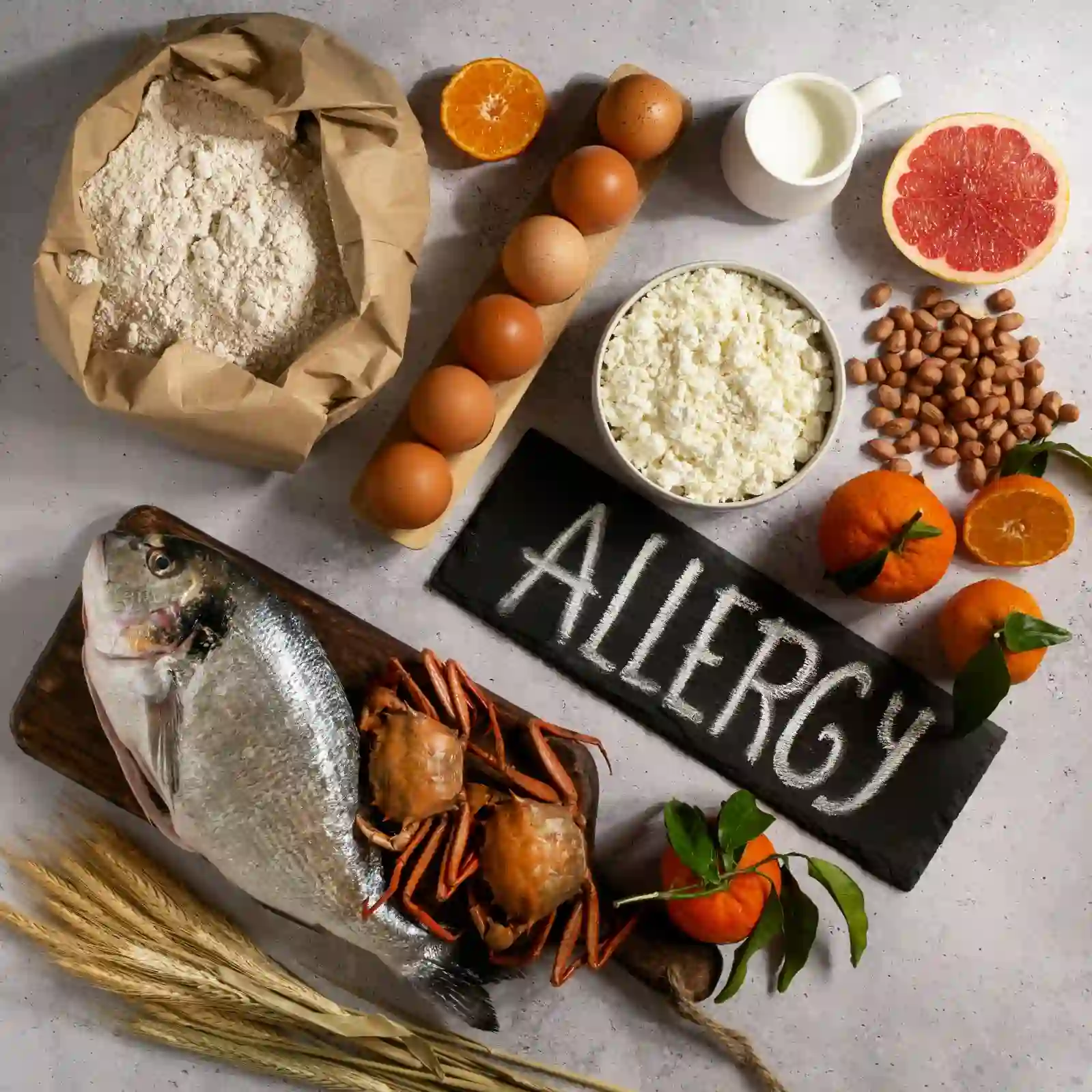
Food allergies are a significant health concern affecting children and adults. They occur when the immune system mistakenly identifies certain food proteins as harmful and triggers an allergic reaction. Depending on the individual, symptoms can range from mild itching or hives to severe, potentially life-threatening reactions. Learn more about common food allergy symptoms, causes, and treatment options.
Understanding food allergy symptoms, recognizing possible triggers, and knowing how to respond to an allergic reaction are essential for protecting your health. If you suspect that you or your child has a food allergy, a healthcare provider can review your symptoms and medical history and advise you on the appropriate next steps, including referral to an allergist when needed.
Common Food Allergy Symptoms
Food allergy symptoms can vary depending on the person, the food involved, and the severity of the reaction. Symptoms often develop within minutes to a few hours after eating the triggering food.
Common symptoms include:
- Skin Reactions: Hives, itching, redness, and swelling can occur after exposure to a food allergen. Some people may also experience worsening eczema.
- Digestive Problems: Symptoms may include stomach pain, nausea, vomiting, or diarrhea.
- Respiratory Symptoms: Some people experience coughing, wheezing, nasal congestion, or difficulty breathing during an allergic reaction.
- Swelling: Swelling of the lips, face, tongue, or throat can indicate a serious allergic reaction and requires immediate attention, particularly when accompanied by breathing or swallowing difficulties.
- Anaphylaxis: This is a severe, potentially life-threatening allergic reaction that can affect multiple body systems. Symptoms may include difficulty breathing, throat swelling, dizziness, fainting, or a sudden drop in blood pressure.
Anaphylaxis is a medical emergency. If you suspect a severe allergic reaction, use prescribed epinephrine immediately if available and call 911. Do not wait for antihistamines to work, as they cannot replace epinephrine for anaphylaxis. Read more about recognizing and responding to an allergic reaction.
What Causes Food Allergies?
Food allergies develop when the immune system reacts to a protein in a particular food. Although almost any food can trigger an allergy, some foods are responsible for a large proportion of reactions.
Common food allergens include:
- Milk
- Eggs
- Peanuts
- Tree nuts, such as almonds and walnuts
- Wheat
- Soy
- Fish
- Crustacean shellfish
- Sesame
Food allergies can develop during childhood or adulthood. Some childhood allergies may resolve with age, while others can persist throughout life. The likelihood of outgrowing an allergy depends on the specific food and the individual.
It is also important to distinguish food allergies from food intolerances. A food allergy involves the immune system and can sometimes cause anaphylaxis. A food intolerance generally involves difficulty digesting a particular food and does not typically cause anaphylaxis.
How Are Food Allergies Evaluated?
If you experience symptoms after eating a particular food, a healthcare professional can help assess whether a food allergy may be responsible. The evaluation generally begins with a detailed review of your symptoms, medical history, eating habits, and the timing of reactions.
Depending on the findings, your primary care provider may recommend consultation with an allergist for further evaluation. An allergist can determine whether specific diagnostic tests are appropriate. Learn more about food allergy testing and diagnosis from the American College of Allergy, Asthma & Immunology.
Methods that may be considered during an allergy evaluation include:
Skin Prick Testing
Skin prick testing involves placing small amounts of selected allergens on the skin and gently introducing them into the skin’s surface. The clinician then checks for localized reactions, such as a raised, itchy bump. Results must be interpreted alongside the person’s symptoms and medical history because a positive result does not always mean that a food causes a clinical allergy.
Specific IgE Blood Testing
A blood test may measure immunoglobulin E (IgE) antibodies associated with specific allergens. These results can help support an allergy evaluation when considered alongside the person’s medical history. A positive result alone does not confirm that eating the food will cause an allergic reaction.
Oral Food Challenge
In selected cases, an allergist may recommend a medically supervised oral food challenge. During this procedure, the person consumes carefully measured amounts of a suspected food while being monitored for symptoms. This test must be conducted under appropriate medical supervision because an allergic reaction can occur.
Not everyone needs every type of test. Broad food allergy panels and testing without a relevant medical history can lead to misleading results and unnecessary dietary restrictions.
Hillside Primary Care does not provide allergy testing. However, our primary care providers can review your symptoms and medical history, discuss your concerns, and advise you on whether a referral to an allergist or another appropriate specialist is needed. Additional evaluation can then be arranged through the relevant specialist or testing facility.
How to Manage Food Allergies
Although food allergies cannot always be cured, appropriate precautions and medical guidance can help reduce the risk of reactions. The Food Allergy Research & Education food allergy guide provides additional educational resources for individuals and families.
Avoid Known Food Allergens
Once a food allergy has been identified, avoiding the triggering food is an important part of management. Read ingredient labels carefully, check for allergen warnings, and ask about ingredients when eating at restaurants or ordering food.
Prevent Cross-Contact
Cross-contact occurs when an allergen is unintentionally transferred from one food or surface to another. Use clean utensils and preparation surfaces, store allergenic foods separately when necessary, and communicate clearly with restaurant staff about food allergies.
Carry Prescribed Epinephrine
People at risk of anaphylaxis may be prescribed an epinephrine auto-injector. Keep it accessible, check its expiration date, and make sure family members, caregivers, or school staff know how to recognize a severe reaction and use the device according to medical instructions.
Learn more about epinephrine and its role in managing severe allergic reactions.
Understand the Role of Medications
Antihistamines may help relieve certain mild symptoms, such as itching or hives, when recommended by a healthcare professional. However, they do not treat the life-threatening breathing or circulatory problems associated with anaphylaxis and must never delay epinephrine or emergency medical care.
Discuss Treatment Options With an Allergist
An allergist can explain available management options based on the specific allergy and the person’s medical history. In selected cases, supervised treatments such as oral immunotherapy may be considered. These treatments are not appropriate for everyone and should only be undertaken with specialist guidance.
Educate Family Members and Caregivers
Make sure family members, teachers, childcare providers, and other caregivers understand the allergy, know which foods to avoid, and are familiar with the emergency action plan. Clear communication is particularly important for children who eat meals or snacks away from home.
When Should You Seek Medical Advice?
Consider speaking with a healthcare provider if you repeatedly experience symptoms after eating certain foods, have unexplained reactions, or are unsure whether your symptoms could be related to a food allergy.
Your primary care provider can review your symptoms, discuss possible explanations, and help determine whether specialist evaluation is appropriate. If an allergy is suspected, an allergist can provide a more detailed assessment and help establish a suitable management plan. You can also review Hillside Primary Care’s first primary care visit checklist to help prepare for a consultation.
If you experience difficulty breathing, throat swelling, fainting, or other signs of anaphylaxis, use prescribed epinephrine immediately if available and call 911.
Conclusion
Food allergies can affect everyday activities, dietary choices, and overall well-being. Recognizing symptoms, avoiding confirmed allergens, preventing cross-contact, and understanding how to respond to an emergency are important parts of managing the condition.
If you suspect a food allergy, seek guidance from a qualified healthcare professional rather than attempting to diagnose the condition yourself. Your primary care provider can help review your concerns and advise you on appropriate next steps, including referral to an allergist for further evaluation when necessary.
At Hillside Primary Care, our primary care providers can help address your general health concerns and guide you toward appropriate specialist care when additional evaluation is needed. Regular preventive care can also help you discuss your broader health needs. Learn more about annual wellness visits or contact Hillside Primary Care to learn more about our primary care services.
Frequently Asked Questions About Food Allergies
1. How do you know if you have a food allergy?
Common symptoms include hives, itching, swelling of the lips or face, stomach pain, vomiting, diarrhea, coughing, wheezing, or difficulty breathing after eating a particular food. These symptoms can have other causes, so a healthcare professional should assess suspected food allergies. Severe symptoms, including breathing difficulties or throat swelling, require emergency medical attention.
2. What are the most common food allergens?
Common food allergens include milk, eggs, peanuts, tree nuts, wheat, soy, fish, crustacean shellfish, and sesame. However, almost any food can cause an allergic reaction in a susceptible person.
3. How are food allergies diagnosed?
Food allergy evaluation usually begins with a review of symptoms, medical history, and the timing of reactions. An allergist may recommend skin prick testing, specific IgE blood testing, or a medically supervised oral food challenge when appropriate. Test results must be interpreted alongside the clinical history.
4. Does Hillside Primary Care provide food allergy testing?
No. Hillside Primary Care does not provide food allergy testing. Our primary care providers can review your symptoms and medical history and advise you on whether you should consult an allergist or another specialist for further evaluation.
5. What is the difference between a food allergy and a food intolerance?
A food allergy involves an immune system response to a food protein and can sometimes cause a life-threatening reaction. A food intolerance generally involves difficulty digesting a food and more commonly causes digestive symptoms. The two conditions require different approaches to evaluation and management.
6. What should I do if I have a severe food allergic reaction?
If you experience symptoms of anaphylaxis, such as difficulty breathing, throat swelling, fainting, or signs of a sudden drop in blood pressure, use prescribed epinephrine immediately if available and call 911. Antihistamines are not a substitute for epinephrine in a severe allergic reaction.
7. Can food allergies be cured?
There is currently no universal cure for food allergies. Management typically involves avoiding confirmed allergens, preventing accidental exposure, and following a medical action plan. Selected patients may be eligible for specialist-supervised treatments such as oral immunotherapy.
8. Can antihistamines treat a severe food allergy?
No. Antihistamines may help relieve some mild allergic symptoms, but they do not treat the dangerous breathing or circulatory problems associated with anaphylaxis. Epinephrine is the first-line treatment for anaphylaxis, and emergency medical care is essential.
9. Can children outgrow food allergies?
Some children outgrow certain food allergies, while others continue to have them into adulthood. The likelihood depends on the food involved and the individual. An allergist can advise whether reassessment is appropriate and how it should be conducted safely.
10. When should I see a healthcare provider about a possible food allergy?
Speak with a healthcare provider if you repeatedly experience symptoms after eating particular foods or are concerned about a possible allergic reaction. Your primary care provider can review your symptoms and advise whether referral to an allergist is appropriate. Seek emergency care immediately for symptoms suggesting anaphylaxis.
About the Author