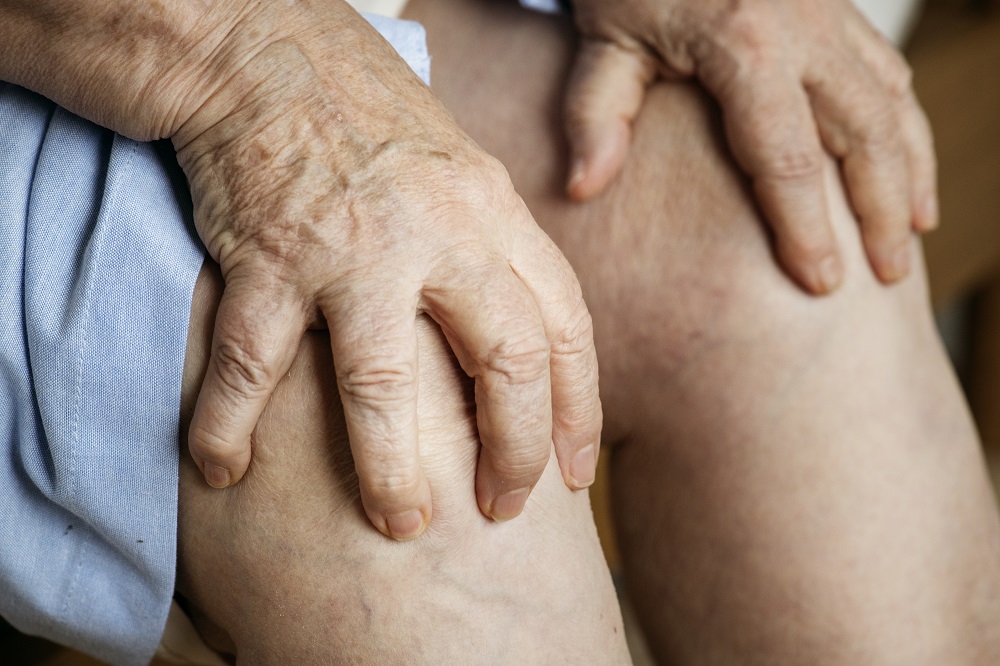
Leg cramps when you walk. A sore on your foot that just won’t heal. Cold feet, even in a warm room. Most people chalk these up to age, bad shoes, or just “getting older.” Sometimes that’s all it is.
But sometimes, it’s peripheral vascular disease, and it’s far more common than most people realize, especially for anyone managing diabetes, high blood pressure, or a history of smoking.
Peripheral vascular disease (PVD), often peripheral artery disease (PAD), affects roughly 1 in 14 U.S. adults. In people with type 2 diabetes, it’s often the very first sign of cardiovascular disease, sometimes showing up before any heart-related symptoms at all.
This guide covers what it is, the symptoms to watch for, and how primary care fits into both catching it early and managing it well.
What Is Peripheral Vascular Disease?
Peripheral vascular disease refers to the narrowing or blockage of blood vessels outside the heart and brain, most commonly the arteries supplying the legs and feet. The underlying cause is usually the same as coronary artery disease: a buildup of fatty plaque (atherosclerosis) inside artery walls, gradually restricting blood flow.
PVD vs. PAD: These terms are often used interchangeably. “Peripheral artery disease” specifically refers to arterial narrowing, while “peripheral vascular disease” is a broader term that can include venous issues as well. In most everyday and clinical conversations, they mean the same thing: arteries affected by plaque buildup, usually in the legs.
Why Diabetes and PVD Are Closely Linked
High blood sugar damages blood vessels over time, not just the large arteries near the heart, but the smaller and medium-sized vessels throughout the body, including those in the legs and feet. Combine that with the fact that diabetes often comes paired with high blood pressure, high cholesterol, and inflammation, and you get a perfect storm for arterial narrowing in the extremities.
An American College of Cardiology (ACC) scientific statement on PAD in adults with diabetes highlighted that more than 13% of patients who have both PAD and type 2 diabetes experience serious limb complications, including non-healing wounds and, in advanced cases, amputation.
The same report notes that PAD is frequently underdiagnosed in people with diabetes, partly because diabetic nerve damage (neuropathy) can mask the pain that would normally be a warning sign.
That’s the dangerous combination: reduced blood flow plus reduced sensation. A wound that would be painful and noticed quickly, for most people, might go unnoticed for days or weeks in someone with diabetic neuropathy. By the time it’s discovered, it may already be infected or slow to heal.
Symptoms of Peripheral Vascular Disease
PVD symptoms range from subtle to serious. Many people live with early-stage PVD for years without recognizing what it is, often because the most common early symptom is easy to dismiss.
Leg Pain or Cramping During Activity
Cramps, aches, or fatigue in the calf, thigh, or buttock that come on with walking or climbing stairs, and go away with rest are the definite symptoms of PVD. People often describe it as their leg “giving out” after walking a certain distance, then feeling fine again after sitting down for a few minutes.
The pattern is the key clue: pain with activity, relief with rest. It’s easy to mistake general muscle fatigue, especially in people who aren’t very active to begin with, but the consistency of the pattern (always after the same distance, always relieved by rest) is what distinguishes it.
Cold Feet or Legs
Reduced blood flow means less warm blood reaching your extremities. If one foot consistently feels colder than the other, or both feet feel unusually cold compared to the rest of your body, it’s worth mentioning to your doctor.
Numbness, Weakness, or Tingling in the Legs
This can overlap with diabetic neuropathy, which makes it tricky. But numbness or weakness that’s new, or that’s specifically tied to activity, deserves evaluation, especially in someone with diabetes.
Skin Color Changes
Reduced circulation can cause the skin on the legs or feet to look pale, bluish, or shiny. Hair loss on the lower legs and feet, and slower toenail growth, are also signs of reduced blood flow over time.
Wounds That Won’t Heal
This is one of the most important symptoms to act on quickly. When blood flow is reduced, the body’s ability to heal wounds drops dramatically. A small cut, blister, or sore on the foot that doesn’t show improvement within a couple of weeks, or that looks like it’s getting worse, needs prompt medical attention.
Weak or Absent Pulses in the Feet
This one’s harder to check on your own, but it’s a key part of what a doctor evaluates. Weak or absent pulses at the ankle or the top of the foot are strong indicators of reduced arterial blood flow.
Erectile Dysfunction
In men, PVD affecting blood flow to the pelvic region can contribute to erectile dysfunction. This symptom is often overlooked as a vascular sign, but it can be an early indicator worth discussing with a doctor, particularly in men with diabetes or other cardiovascular risk factors.
Leg Pain at Rest (Advanced PVD)
As PVD progresses, pain can occur even without activity, often at night, affecting the feet or toes. This is a sign of more advanced disease and needs prompt evaluation.
A foot or leg wound that is rapidly worsening, accompanied by fever, spreading redness, or a foul odor, needs same-day medical attention. Left untreated, infections in poorly-perfused tissue can progress quickly and may threaten the limb.
Who’s at Risk?
PVD doesn’t appear randomly. It’s driven by the same risk factors that drive heart disease and stroke, which makes sense, since they’re all manifestations of the same underlying process: atherosclerosis.
- Diabetes (type 1 or type 2)
- Smoking (current or former)
- High blood pressure
- High cholesterol, particularly elevated LDL
- Age 65 and older, or 50+ with additional risk factors
- Family history of PAD or atherosclerosis
- Chronic kidney disease
- Obesity and a sedentary lifestyle
The ACC scientific statement on PAD specifically recommends screening for adults aged 50-64 who have diabetes plus another risk factor (smoking history, high cholesterol, hypertension, kidney disease, or family history), and for anyone under 50 with diabetes and at least one additional atherosclerosis risk factor.
How is PVD Diagnosed?
The good news: diagnosing PVD doesn’t require anything invasive in most cases. The primary screening test is simple, painless, and can often be done right in a primary care office.
Ankle-Brachial Index (ABI)
The ABI test compares blood pressure measured at the ankle with that measured at the arm. In a healthy person, these numbers should be similar. If the ankle pressure is significantly lower than the arm pressure, it suggests reduced blood flow to the leg, and the degree of difference helps indicate how severe the narrowing might be.
This test takes about 10-15 minutes, requires no needles or dyes, and can be performed during a routine office visit.
Pulse Examination
A physical exam checking pulses at the groin, behind the knee, and at the ankle and foot gives a doctor a quick sense of blood flow. Weak or absent pulses prompt further testing.
Additional Testing When Needed
If initial screening suggests PVD, or if symptoms are more advanced, additional imaging, such as ultrasound of the leg arteries, may be used to map out exactly where and how severe the narrowing is. This is typically arranged through referral when a more detailed evaluation is warranted.
| ABI Result | What It Suggests |
| 1.0-1.4 | Normal blood flow |
| 0.91- 0.99 | Borderline; monitor closely |
| 0.41-0.90 | Mild to moderate PAD |
| 0.40 or below | Severe PAD; needs prompt evaluation |
| Above 1.4 | May indicate calcified, stiff arteries; further testing is needed |
How PVD Is Managed
The management approach for PVD overlaps heavily with managing cardiovascular risk in general, because, again, it’s the same underlying disease process showing up in a different location.
Lifestyle Changes
Walking programs: It sounds counterintuitive, walking causes the pain, so why walk more? But supervised or structured walking programs are one of the most effective treatments for claudication. Over time, walking to the point of mild discomfort, resting, and repeating helps the body develop additional small blood vessels (collateral circulation) that improve blood flow.
Medical Management
Risk factor control is central, and it’s the same set of targets covered throughout cardiovascular and diabetes care:
- Blood pressure management to reduce arterial stress
- Cholesterol-lowering medication (statins) to slow plaque progression
- Blood sugar control to limit ongoing vascular damage
- Antiplatelet medication (such as low-dose aspirin) in many cases to reduce clot risk of clotting
Foot Care
For anyone with PVD, especially alongside diabetes, daily foot inspection becomes a non-negotiable habit. Checking for cuts, blisters, color changes, or swelling every day, wearing properly fitted shoes, and never going barefoot (even at home) all reduce the risk of an unnoticed wound progressing into something serious.
When Procedures Are Needed?
For more advanced PVD, particularly when lifestyle and medication aren’t enough, or when there’s a non-healing wound or severe claudication affecting quality of life, procedures to open or bypass blocked arteries may be considered. These are typically managed through referral to a vascular specialist, with primary care continuing to manage the broader risk-factor picture.
Why Early Detection Matters So Much?
PVD doesn’t just affect the legs. It’s a marker, a visible signal, of the same disease process happening in arteries throughout the body, including those supplying the heart and brain. Someone diagnosed with PVD has a significantly elevated risk of heart attack and stroke, even if their heart itself seems fine on the surface.
This is part of why a PVD diagnosis often becomes a turning point in someone’s overall cardiovascular care, not just an issue to treat in isolation, but a signal to take a much closer look at blood pressure, cholesterol, blood sugar, and lifestyle factors across the board.
Catching PVD early, while it’s still causing mild symptoms like occasional cramping, gives the most options. Lifestyle changes and medication can often stabilize or even improve symptoms at this stage. Waiting until there’s a non-healing wound or rest pain narrows the options considerably.
Get Tested at Hillside Primary Care
Hillside Primary Care offers in-clinic peripheral vascular disease evaluation across its Texas locations, including San Antonio, Killeen, Live Oak, Schertz, El Paso, Seguin, and New Braunfels.
For patients whose evaluation suggests broader cardiovascular involvement, our in-house cardiac evaluation, including an echocardiogram and EKG, provides a fuller picture of heart health, all coordinated through the same care team.
Same-day appointments are available across Hillside’s 10+ locations, with telehealth visits. Most major insurance plans are accepted, and new patients are welcome.
Concerned about leg pain or a slow-healing sore?
FAQs
Q1. Is leg cramping while walking always PVD?
Ans: Not always, but if it follows a consistent pattern (pain with walking, relief with rest), it’s worth getting checked, especially with diabetes or smoking history.
Q2. Can PVD be reversed?
Ans: Early-stage PVD can often be stabilized or improved with lifestyle changes, medication, and risk factor control. Advanced disease may need procedures.
Q3. How is PVD tested without surgery?
Ans: The ankle-brachial index (ABI) test is the standard first step, a simple, painless blood pressure comparison between the ankle and arm.
Q4. Does PVD always cause pain?
Ans: No. Especially in people with diabetic neuropathy, PVD can be painless even when significant, which is why screening matters even without symptoms.
Q5. Why does walking help if it causes pain?
Ans: Doctors suggested that structured walking programs help build collateral blood vessels over time, often reducing symptoms. It’s one of the most effective non-medication treatments.
About the Author