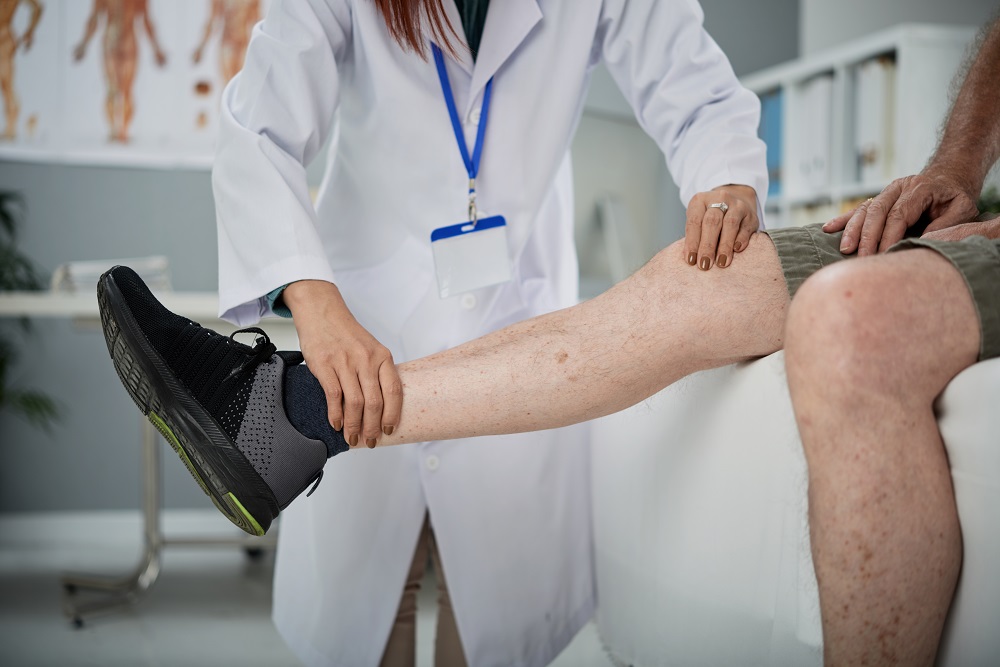
If your knees have been aching more than usual lately, you are not imagining it. Spring in Texas brings warm weather, outdoor activity, and, unfortunately, a well-documented rise in joint pain complaints. Between barometric pressure swings, pollen-triggered inflammation, and the urge to get outside after months of being sedentary, your knees take the brunt of it all.
For many Texans living with arthritis, osteoarthritis, bursitis, or old joint injuries, spring is the season when conservative treatments stop being enough. That is where knee injections come in. They are minimally invasive and quick, and can deliver targeted relief that restores your ability to move, walk, and stay active without surgery.
At Hillside Primary Care, our board-certified providers offer joint injections across San Antonio, Killeen, Schertz, Seguin, Live Oak, El Paso, and surrounding Texas communities. This guide explains what to expect, which injection type may be right for you, and when to make an appointment.
Why Knee Pain Gets Worse in Spring
Most people associate joint flare-ups with cold winter weather, but spring can actually be just as problematic, especially in South Texas.
- 1. Barometric pressure shifts: As weather fronts move through Texas in spring, atmospheric pressure changes cause tissues inside the knee joint to expand and press on already-sensitive nerves. This is a known trigger for arthritis pain, and studies show that up to 58% of arthritis sufferers report increased discomfort during weather transitions.
- 2. Spring allergy inflammation: Here is something many patients do not realize: seasonal allergies do not just affect your sinuses. When your immune system reacts to tree pollen, grass, and mold, it releases inflammatory chemicals, including histamines and cytokines. These substances do not stay confined to your respiratory system. They amplify inflammation throughout the entire body, including inside your knee joints. If your allergies have been worse this spring, your knees may be feeling it too.
- 3. Increased physical activity: After months of staying indoors, spring weather pulls people outdoors for walking, gardening, hiking, and yard work. A sudden jump in activity levels stresses joints that have not been adequately conditioned, leading to overuse pain, swelling, and flare-ups of underlying conditions.
If your knee pain has escalated this season and over-the-counter pain relievers, rest, or physical therapy are no longer providing adequate relief, it may be time to explore injection therapy.
What Are Knee Injections and Who Needs Them?
Knee injections, also called intra-articular injections, involve delivering medication directly into the knee joint space. By targeting the exact source of inflammation or degeneration, these treatments can produce results that oral medications and topical creams simply cannot match.
Your provider at Hillside Primary Care may recommend knee injections if you are experiencing:
- Chronic knee pain from osteoarthritis or rheumatoid arthritis
- Inflammation and swelling from bursitis or tendonitis
- Knee pain caused by gout or psoriatic arthritis
- Pain that has not improved after 6 to 12 weeks of conservative therapy, such as anti-inflammatories, physical therapy, or activity modification
- Reduced range of motion that interferes with daily activities like walking, climbing stairs, or standing
Knee injections are not typically the first-line treatment. They are recommended when your quality of life is being affected, and other measures have fallen short.
Types of Injections for Knee Pain
There is no single “best” injection for every patient. The right type depends on the underlying condition, severity of symptoms, and your health history. At Hillside Primary Care, we offer Corticosteroid injections
1. Corticosteroid Injections (Cortisone Shots)
Corticosteroid injections are the most commonly used type of knee injection in primary care settings, with 99% of family physicians using them for knee osteoarthritis. They work by delivering a powerful anti-inflammatory steroid directly into the knee joint, rapidly reducing swelling, pain, and stiffness.
- Onset: Relief typically begins within a few days
- Duration: 4 to 12 weeks, sometimes longer
- Best for: Acute flare-ups, moderate to severe arthritis pain
- Frequency: Generally spaced at least 12 weeks apart to protect joint tissue
Corticosteroid injections are particularly helpful during the spring allergy season, when systemic inflammation is already elevated, and joints are more reactive. They offer a fast reset that lets patients regain function and resume activity.
Other types of joint injections are available, and if deemed beneficial by your Primary care provider, a referral will be sent to the orthopedic surgeon for further evaluation and treatment. These injections include Hyaluronic Acid and PRP injections.
2. Hyaluronic Acid Injections (Gel Shots)
Hyaluronic acid (HA) is a naturally occurring substance in healthy joints that acts as a lubricant and shock absorber. In patients with osteoarthritis, this fluid becomes thin and watery, increasing friction and pain. HA injections replenish this natural cushioning.
- Onset: Gradual improvement over 2 to 4 weeks
- Duration: Up to 6 months in many patients
- Best for: Mild to moderate osteoarthritis; patients seeking longer-lasting relief
- Regimen: Typically 1 to 5 injections given one week apart, then repeated every 6 months
Many patients describe their knee as “moving more smoothly” after a course of HA injections. This makes them a strong option for active patients who want sustained results, not just short-term relief.
3. Platelet-Rich Plasma (PRP) Injections
PRP is a regenerative, steroid-free treatment prepared from your own blood. A small sample is drawn, centrifuged to concentrate healing platelets, and then injected into the knee. These platelets release growth factors that may reduce inflammation and support tissue repair over time.
- Onset: Gradual, over several weeks
- Duration: 6 to 12 months or longer in some patients
- Best for: Patients seeking a natural, non-steroid option; early-to-moderate OA; those who have not responded well to cortisone
- Advantage: Uses your body’s own healing mechanisms; no synthetic steroids involved
A 2024 study found that PRP combined with hyaluronic acid provided better pain relief and functional improvement than either treatment alone.
Quick Comparison
| Injection Type | Onset | Duration | Best For |
| Corticosteroid | Days | 4-12 weeks | Acute flares, severe swelling |
| Hyaluronic Acid | 2-4 weeks | Up to 6 months | Mild-moderate OA, long-term relief |
| PRP | Several weeks | 6-12+ months | Regenerative option, steroid-free |
What to Expect During the Procedure
Many patients are surprised at how straightforward the process is. Here is a step-by-step overview of what happens at Hillside Primary Care:
- Preparation: The injection site is cleaned thoroughly to reduce the risk of infection. A local anesthetic may be applied to minimize discomfort.
- Injection: The chosen medication is delivered directly into the knee joint. Some fluid may be removed first if there is significant swelling.
- Duration: The entire procedure takes approximately 15 to 30 minutes as an outpatient visit.
- Post-procedure: You may experience mild soreness around the injection site for 1 to 2 days. Rest the joint, apply ice as needed, and avoid strenuous activity for 48 hours. Most patients resume normal daily activities within a day or two.
There is no hospital stay, no general anesthesia, and no lengthy recovery period. Many patients notice meaningful improvement within the first week.
How Long Do Knee Injections Last?
This is one of the most common questions patients ask, and the honest answer is: it depends on the type of injection and the underlying condition.
- Corticosteroid injections generally provide 4 to 12 weeks of relief, making them ideal for managing flare-ups or getting through a particularly painful season.
- Hyaluronic acid injections can last up to 6 months, and many patients repeat the series twice a year for ongoing management.
- PRP injections may provide relief for 6 to 12 months or longer, particularly when used earlier in the disease course or in combination with HA.
Injections are not a permanent cure for osteoarthritis or joint degeneration. They are a proven tool for managing pain, improving function, and delaying the need for surgical intervention, such as knee replacement. Regular monitoring with your primary care provider helps ensure your treatment plan stays aligned with your goals.
Are Knee Injections Right for You?
Knee injections are generally safe and well-tolerated, but they are not appropriate for everyone. A thorough evaluation with your Hillside Primary Care provider will determine candidacy based on:
- The specific diagnosis driving your knee pain
- Severity and duration of symptoms
- Prior treatments and response
- Overall health and any contraindications (such as active infection near the injection site or certain blood-thinning medications)
If you are unsure whether you need an injection or a different treatment approach, an
Annual Wellness Visit at Hillside Primary Care is a great starting point. Our providers can order imaging, assess joint health, and help you understand all available options before making a decision.
Get Knee Injections at Hillside Primary Care Across Texas
You should not have to wait months for pain relief or travel far to see a specialist. Hillside Primary Care offers joint injections for knee pain with experienced providers, including Dr. Derin Patel, MD, at convenient locations throughout Texas.
We serve patients in:
- San Antonio (Stone Oak, Southside, Medical Center, Westover Hills, Culebra, Castle Hills)
- Live Oak and Windcrest
- Schertz and Universal City
- Cibolo and New Braunfels
- Killeen and Kyle
- Seguin and El Paso
We accept most major insurance plans and welcome new patients. Saturday appointments are available at our Live Oak office for your convenience.
Call us today at (210) 742-6555 or book your appointment online to speak with a provider about your knee pain options.
Find the Hillside Primary Care location nearest you.
FAQs
Q1 What is the best injection for knee pain?
Ans: There is no single best injection for all patients. Corticosteroid injections work fastest for acute flare-ups and significant swelling. Hyaluronic acid injections provide longer-lasting lubrication for mild to moderate osteoarthritis. PRP injections offer a steroid-free, regenerative option. Your Hillside provider will recommend the right type based on your diagnosis and health history.
Q2. How long do knee injections last?
Ans: Duration varies by type. Corticosteroid injections typically last 4 to 12 weeks. Hyaluronic acid injections may last up to 6 months. PRP injections can provide relief for 6 to 12 months or more, particularly when combined with hyaluronic acid.
Q3 Are knee injections painful?
Ans: Most patients experience minimal discomfort. A local anesthetic is applied before the injection to numb the area. You may feel mild pressure during the procedure and some soreness at the injection site for a day or two afterward. The procedure itself takes only 15 to 30 minutes.
Q4 How many knee injections can I get per year?
Ans: For corticosteroid injections, most providers recommend waiting at least 12 weeks between treatments, allowing for up to 3 to 4 injections per year in the same joint. The hyaluronic acid series can typically be repeated every 6 months. Your doctor will advise on the appropriate frequency based on your individual response and joint health.
Q5 Can spring allergies really make my knee pain worse?
Ans: Yes. When your immune system responds to pollen and allergens, it releases inflammatory chemicals that can amplify joint pain throughout the body, including in the knees. Many patients with arthritis, including osteoarthritis, notice their symptoms flare during allergy season. Addressing both the joint pain and the allergy response can lead to better overall outcomes.
Q6 Where can I get knee injections near me in San Antonio or Killeen, Texas?
Ans: Hillside Primary Care offers knee and joint injections at multiple locations across Texas, including San Antonio, Killeen, Schertz, Live Oak, Seguin, and El Paso. Call (210) 742-6555 or book online at hillsideprimarycare.com to schedule your consultation.
About the Author