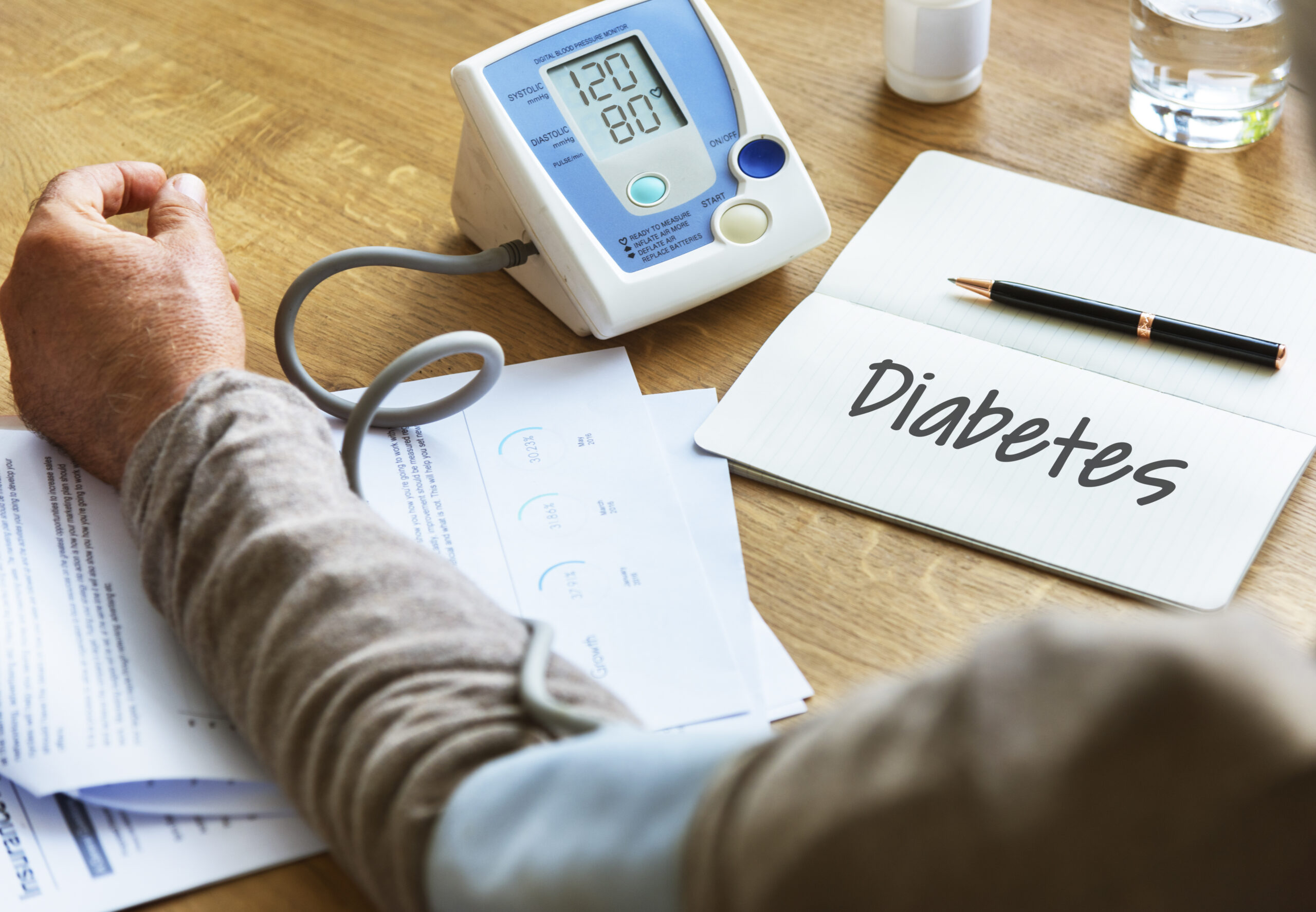
A lot of people come in for a routine visit. Their blood sugar results are back, and while the doctor is talking through the numbers, blood pressure comes up, too. Suddenly, there are two diagnoses to absorb instead of one.
That pattern isn’t a coincidence. Diabetes and high blood pressure share the same biological roots, the same risk factors, and, left unmanaged, the same long-term consequences. They’re so frequently seen together that many doctors now treat managing them as a single job rather than two separate ones.
This piece breaks down why the two conditions are linked, what that means for your health, and how primary care is positioned to manage both simultaneously without needing a different specialist for each.
Why These Two Conditions So Often Appear Together
High blood pressure (hypertension) is one of the most common conditions seen alongside type 2 diabetes. Studies consistently find that between 65% and 75% of adults with type 2 diabetes also have hypertension, either already diagnosed or newly detected during a diabetes workup. That’s not a small overlap. It’s the norm rather than the exception.
The American Diabetes Association (ADA) formally recognizes that cardiometabolic risk factors, including hypertension, dyslipidemia, obesity, and type 2 diabetes, share common pathophysiology and are deeply interconnected.
So why does this happen so often? Because the same conditions that drive one condition tend to drive the other. Excess body weight, particularly abdominal fat, increases insulin resistance (the core problem in type 2 diabetes) and raises blood pressure by increasing the volume of blood the heart must pump and reducing arterial wall flexibility. Chronic low-grade inflammation, which is elevated in people with metabolic syndrome, damages both blood vessel walls and insulin signaling pathways simultaneously.
How Does Each Condition Make the Other Worse?
It’s not just that they show up together. They actively reinforce each other.
How Diabetes Worsens Blood Pressure
Excess blood sugar causes the kidneys to retain more sodium, and where sodium goes, water follows. More fluid in the bloodstream means higher pressure against the artery walls. Chronically elevated blood sugar also stiffens blood vessel walls by triggering a process called glycation, where sugar molecules bind to proteins in the vessel lining, making them less elastic. Less flexible arteries = higher blood pressure.
On top of that, insulin resistance itself is associated with increased activity of the sympathetic nervous system, the body’s “fight or flight” response, which keeps blood pressure elevated even at rest.
How High Blood Pressure Worsens Diabetes
The relationship runs in both directions. Hypertension accelerates damage to the small blood vessels in the kidneys, the same vessels that regulate how the body handles glucose and salt. Kidney function and blood sugar control are closely linked, so as kidney health deteriorates, blood sugar management becomes harder.
Some blood pressure medications, particularly older thiazide diuretics and certain beta-blockers. can also impair insulin sensitivity or mask the symptoms of low blood sugar (hypoglycemia), which adds another layer of complexity when managing both conditions simultaneously.
Combined, the Risk Multiplies
Having both conditions doesn’t just double your risk; it compounds it. Heart attack risk, stroke risk, kidney disease progression, vision damage, and peripheral artery disease all become significantly more likely when both conditions are present and uncontrolled.
| Condition | Heart Attack Risk | Stroke Risk | Kidney Disease Risk |
| Hypertension alone | 2x higher than average | 4x higher than average | Elevated |
| Type 2 diabetes alone | 2-3x higher than average | 2x higher than average | Significantly elevated |
| Both together, uncontrolled | 5-7x higher than average | Up to 6x higher | High; disease progresses faster |
The Shared Risk Factors: What’s Driving Both
Understanding what causes both conditions helps explain why treating one in isolation often falls short. These are the primary shared drivers:
- Abdominal obesity: Visceral fat (the fat stored deep in the belly around organs) is metabolically active. It releases inflammatory signals that drive insulin resistance and raise blood pressure. This is why waist circumference matters as much as overall weight.
- Insulin resistance: When cells stop responding to insulin properly, the pancreas compensates by producing more. Chronically high insulin levels raise blood pressure directly by causing the kidneys to retain sodium and by stimulating the sympathetic nervous system.
- Chronic inflammation: Low-grade systemic inflammation, common in metabolic syndrome, damages arterial walls and disrupts normal glucose metabolism simultaneously.
- Sedentary lifestyle: Physical inactivity reduces insulin sensitivity and weakens the heart’s ability to manage vascular resistance, both of which push blood sugar and blood pressure in the wrong direction.
- Poor diet: High sodium intake raises blood pressure. High intake of refined carbohydrates spikes blood sugar and contributes to insulin resistance. Most dietary patterns that drive one condition worsen the other.
- Genetics: Family history increases the risk of both conditions independently. If a parent or sibling has had diabetes or early-onset hypertension, your own risk for both goes up.
How Primary Care Manages Both Conditions at Once
This is where primary care’s integrated approach pays off most clearly. Rather than two separate medication lists and two separate follow-up schedules, one for diabetes with an endocrinologist, one for blood pressure with a cardiologist, a primary care physician manages the full picture.
The Medication Overlap
Several medication classes are specifically useful because they address both conditions or protect the organs most at risk when both are present:
| Medication | How It Helps Diabetes | How It Helps Blood Pressure / Heart |
| ACE Inhibitors (e.g., lisinopril) | Reduces protein leak in kidneys (preserves kidney function) | Lowers BP; reduces cardiovascular event risk |
| ARBs (e.g., losartan) | Same kidney protection as ACE inhibitors | Effective BP control; well tolerated |
| SGLT-2 Inhibitors (e.g., Jardiance) | Lowers blood sugar; promotes glucose excretion via the kidneys | Also lowers BP slightly; reduces heart failure hospitalizations |
| GLP-1 Agonists (e.g., Ozempic) | Lowers blood sugar; promotes significant weight loss | Reduces CV events; modest BP reduction |
| Calcium Channel Blockers (e.g., amlodipine) | Metabolically neutral doesn’t worsen blood sugar | Effective BP lowering; well tolerated |
The decision about which medications to use isn’t made in isolation. A primary care physician considers both conditions together: what will lower blood sugar without raising blood pressure, what will control blood pressure without impairing glucose metabolism, and what will protect the kidneys in the process.
Monitoring Both at Every Visit
Routine primary care visits for a patient with both conditions include:
- Blood pressure check at every appointment, not just annually
- A1C testing every 3 months,
- kidney function panel, creatinine, eGFR, and urine microalbumin every 3 months
- lipid panel (cholesterol), since dyslipidemia often accompanies both conditions, every 3 months
- Foot exam at each visit (the feet are where vascular damage often shows up first)
- Weight and BMI tracking, with medication-assisted weight loss available when needed
Coordinating Lifestyle Recommendations
The lifestyle changes that help with diabetes also help with blood pressure, and vice versa. This overlap is one of the biggest advantages of managing both in primary care, because the patient receives a single coordinated plan rather than conflicting advice from different specialists.
| Lifestyle Change | Effect on Blood Sugar | Effect on Blood Pressure |
| Losing 5-10% of body weight | Reduces insulin resistance; can lower A1C by 0.5-1% | Reduces systolic BP by 5-10 mmHg per 10 lbs lost |
| 150 min/week moderate exercise | Improves insulin sensitivity significantly | Lowers systolic BP by 5-8 mmHg |
| Reducing sodium to < 2,300 mg/day | Neutral effect on blood sugar directly | Lowers systolic BP by 5-6 mmHg |
| Mediterranean or DASH diet | Reduces A1C; improves insulin sensitivity | Reduces systolic BP by 8-14 mmHg |
| Quitting smoking | Reduces cardiovascular risk substantially | Smoking causes acute BP spikes; cessation helps |
Lifestyle Management Is the Foundation
Alongside medications, lifestyle changes are the most powerful intervention for both conditions. Your primary care doctor at Hillside Primary Care will guide you on:
Diet:
- The DASH diet (Dietary Approaches to Stop Hypertension) has proven benefits for both blood pressure and blood sugar control
- Reducing sodium intake (target: under 2,300 mg/day, ideally 1,500 mg/day for patients with hypertension and diabetes)
- Reducing refined carbohydrates and added sugars
- Increasing fiber, vegetables, lean proteins, and healthy fats
Physical Activity:
The Centers for Disease Control and Prevention (CDC) recommends at least 150 minutes of moderate-intensity aerobic activity per week for adults with diabetes, which also directly lowers blood pressure
Even modest weight loss (5-10% of body weight) significantly improves both blood pressure and blood sugar levels
Weight Management:
Excess weight is the most common shared driver of both conditions. At Hillside, medical weight loss is integrated with diabetes and hypertension care; a weight-loss program supervised by your PCP directly supports outcomes for both.
Stress Reduction:
Chronic stress activates hormonal pathways that raise both blood sugar and blood pressure. Your primary care team screens for anxiety and depression regularly, which are common in patients managing multiple chronic conditions, and addresses them as part of your overall care.
Monitoring:
What Gets Tracked at Every Visit Managing diabetes and hypertension together requires consistent, structured monitoring.
Here is what your Hillside Primary Care provider tracks at regular visits:
| What’s Monitored | How Often | Why It Matters |
| Blood pressure reading | Every visit | Even small sustained elevations cause damage in diabetic patients |
| A1C (average blood sugar over 3 months) | Every 3-6 months | The primary indicator of diabetes control; the target is usually <7% |
| Fasting blood glucose | At least annually, but more frequently if the patient has diabetes and/or Hypertension | Tracks daily blood sugar baseline |
| Kidney function (BMP/CMP panel) | At least annually, but more frequently if the patient has diabetes and/or Hypertension | Diabetes + hypertension is the leading cause of kidney failure |
| Urine microalbumin | Annually | Earliest sign of kidney involvement from diabetes or high BP |
| Lipid panel (cholesterol) | At least annually | Cardiovascular risk is elevated; cholesterol management is critical |
| EKG / cardiac evaluation | Yearly | To monitor for cardiovascular changes from both conditions |
| Weight and BMI | Every visit | Weight directly affects both conditions |
| Foot exam | Annually (diabetic patients) | Early detection of neuropathy and circulation problems |
Managing Both Conditions Through Hillside Primary Care
Hillside Primary Care team of board-certified physicians and mid-level providers manages both type 2 diabetes and hypertension as part of their comprehensive care model across their Texas locations, including San Antonio, Killeen, El Paso, Schertz, New Braunfels, Live Oak, Seguin, and Universal City.
For patients with both conditions, an annual wellness visit at Hillside covers blood pressure, blood glucose or A1C, cholesterol, kidney function, and weight, giving both the patient and the physician an up-to-date picture of how both conditions are tracking.
Medication adjustments, when needed, happen in that visit rather than requiring a separate appointment.
40+ providers. 15+ locations across Texas. Most major insurance is accepted. Book Your Diabetes + Hypertension Evaluation →
Call (210) 742-6555 or book at hillsideprimarycare.com/appointment/.
FAQs
Q1. If I control my blood sugar, will my blood pressure improve too?
Ans: Often, yes, especially when improved through lifestyle changes like weight loss and exercise, which benefit both directly. Medication-only blood sugar control has less direct effect on blood pressure.
Q2. Can the same medication treat both diabetes and high blood pressure?
Ans: Not one pill for both conditions, but some drug classes, especially SGLT-2 inhibitors and GLP-1 agonists, help with blood sugar while also slightly reducing blood pressure and cardiovascular risk.
Q3. What blood pressure level should I aim for if I have type 2 diabetes?
Ans: Most current guidelines target below 120/80 mmHg for adults with diabetes. Your doctor may set a slightly different target based on your age, kidney function, and other factors.
Q4. Does stress raise both blood sugar and blood pressure at the same time?
Ans: Yes. Stress hormones, particularly cortisol and adrenaline, raise both simultaneously. Chronic stress is a genuine contributor to poor control of both conditions.
Q5. Do I need two separate doctors for diabetes and high blood pressure?
Ans: Not typically. A primary care physician manages both conditions together for most patients, which is often more effective than seeing separate specialists.
About the Author